SUPPORT
When to Heat Your Pool: Balancing Comfort and Cost
Learn how to optimize your pool heating strategy by balancing smart automation with passive heat retention techniques to lower energy costs while extending your swim season.
Pool Heating
When to Heat Your Pool: Balancing Comfort and Cost
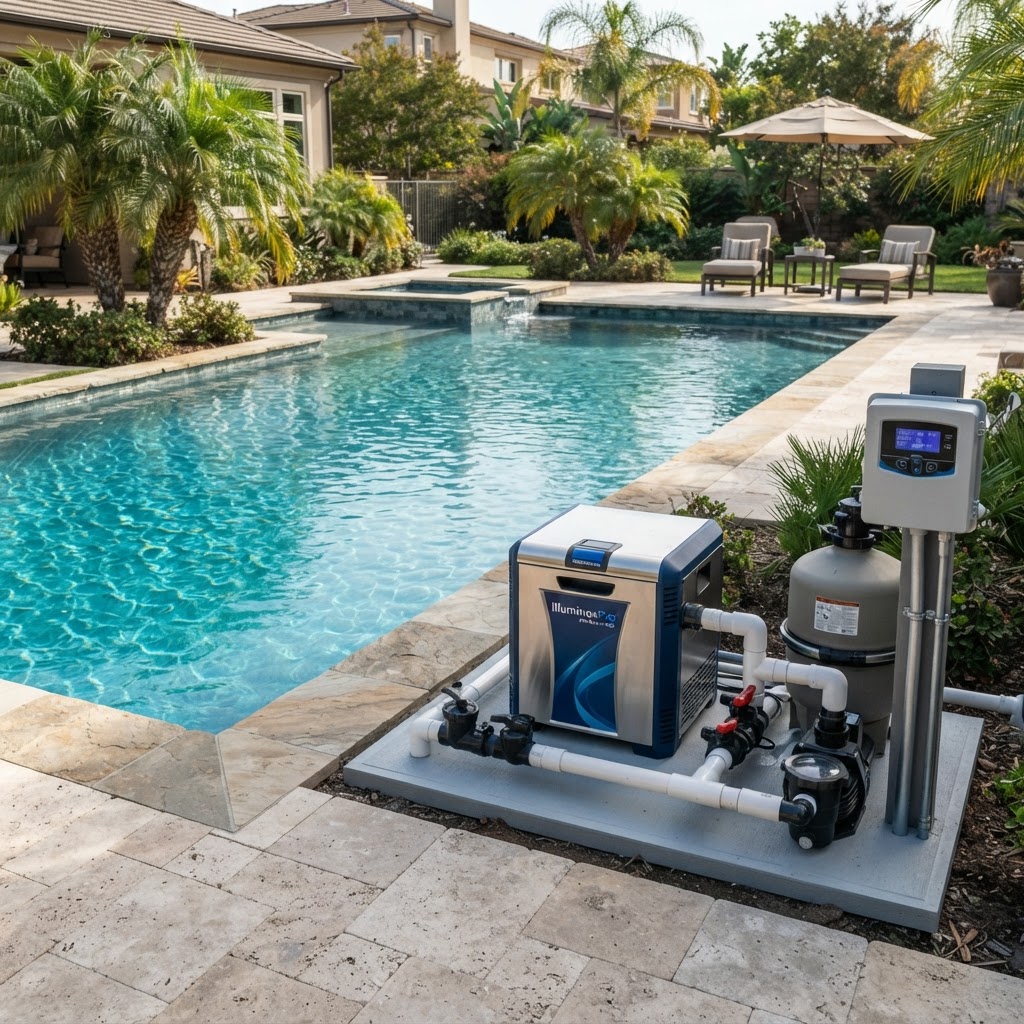
Achieving the perfect balance between inviting water temperatures and manageable utility bills requires more than just turning on a heater. By treating your pool as a thermal battery and implementing strategic scheduling, you can extend your swim season while minimizing energy waste. Here is how to manage your pool's thermal environment like a professional.
The Physics of Heat Loss
To manage heat, you must first understand how it escapes. Water loses thermal energy through three primary avenues: evaporation, conduction, and radiation. Evaporation is the single largest factor, responsible for up to 70% of total heat loss. When the air temperature is lower than the water temperature, moisture turns into vapor at the surface, carrying significant energy away with it. This process accelerates rapidly at night and during windy conditions. By mitigating these environmental variables, you reduce the workload on your heating system significantly.
Smart Scheduling for Maximum Efficiency
Many pool owners make the mistake of treating their heater like a light switch, turning it on only when they want to swim. This is the least efficient way to operate your equipment. When you allow the water temperature to drop significantly, the heater must run at full capacity to catch up, which increases mechanical wear and energy costs. Instead, focus on maintaining a steady baseline temperature. Use the Illuminex app to set a lower 'maintenance' temperature for times when you aren't using the pool, then schedule a slight increase in set-point temperature two to three hours before you plan to dive in. If your utility company offers time-of-use (TOU) rates, utilize your smart controller to lock out heating during peak-rate windows, typically between 2:00 PM and 7:00 PM in many regions.
Leveraging Passive Thermal Management
Before your heater kicks on, ensure your pool is doing its best to retain natural heat. Passive measures are often more effective than equipment upgrades when it comes to long-term cost reduction.
Use a Thermal Cover
A high-quality pool cover is your first line of defense. By creating a physical barrier between the water and the cool night air, you effectively stop the evaporation cycle. In many climates, keeping a cover on when the pool is not in use can reduce your heating energy consumption by up to 50%.
Master the Windbreak
Wind acts as a catalyst for evaporation. If your pool is in an exposed area, consider installing landscaping, privacy screens, or strategic fencing to minimize wind speed across the surface. Even a 5 mph reduction in surface wind can noticeably decrease your nightly heat loss.
Optimizing Flow and Circulation
Heating is only effective if the warm water is properly distributed throughout the pool. If your circulation is poor, your sensor may read the water near the return as hot, while the rest of the pool remains cold, leading to short-cycling of your heater. Ensure your Illuminex AquaPump is running at an appropriate flow rate during the heating cycle to ensure consistent heat distribution. An unevenly heated pool forces the system to run longer than necessary, as the sensor constantly triggers the heater to compensate for cold pockets.
Seasonal Adaptation Strategies
Your heating strategy should be fluid throughout the year. During the shoulder seasons—spring and autumn—your goal is stability. The ground around your pool is cold, which accelerates heat loss through the shell. Keep your target temperature modest, perhaps 3-5 degrees lower than your summer goal, to avoid excessive cycling. As peak summer arrives, rely on passive solar gains. Use the Illuminex controller to track ambient water temperatures; if the sun is doing the work, your automation system should be programmed to throttle back or disable the heater entirely.
Quick Reference Checklist
-
Check your cover: Ensure it is deployed every night during the shoulder season.
-
Use Smart Scheduling: Set your Illuminex controller to avoid utility company peak pricing hours.
-
Maintain the baseline: Keep a consistent temperature rather than letting the pool get cold and trying to reheat it.
-
Monitor flow rates: Adjust your AquaPump speed to ensure effective circulation during heating cycles.
-
Manage the wind: Utilize landscaping or fences to block prevailing winds across the pool surface.
-
Review logs: Use the Illuminex app to analyze heater runtime and adjust set-points based on weekly weather forecasts.