SUPPORT
Optimizing Your Swim Season: When to Heat Your Pool for Comfort and Efficiency
Discover the strategic balance between enjoying your pool earlier in the season and maintaining cost-effective energy usage with smart heating practices.
Pool Heating
Optimizing Your Swim Season: When to Heat Your Pool for Comfort and Efficiency
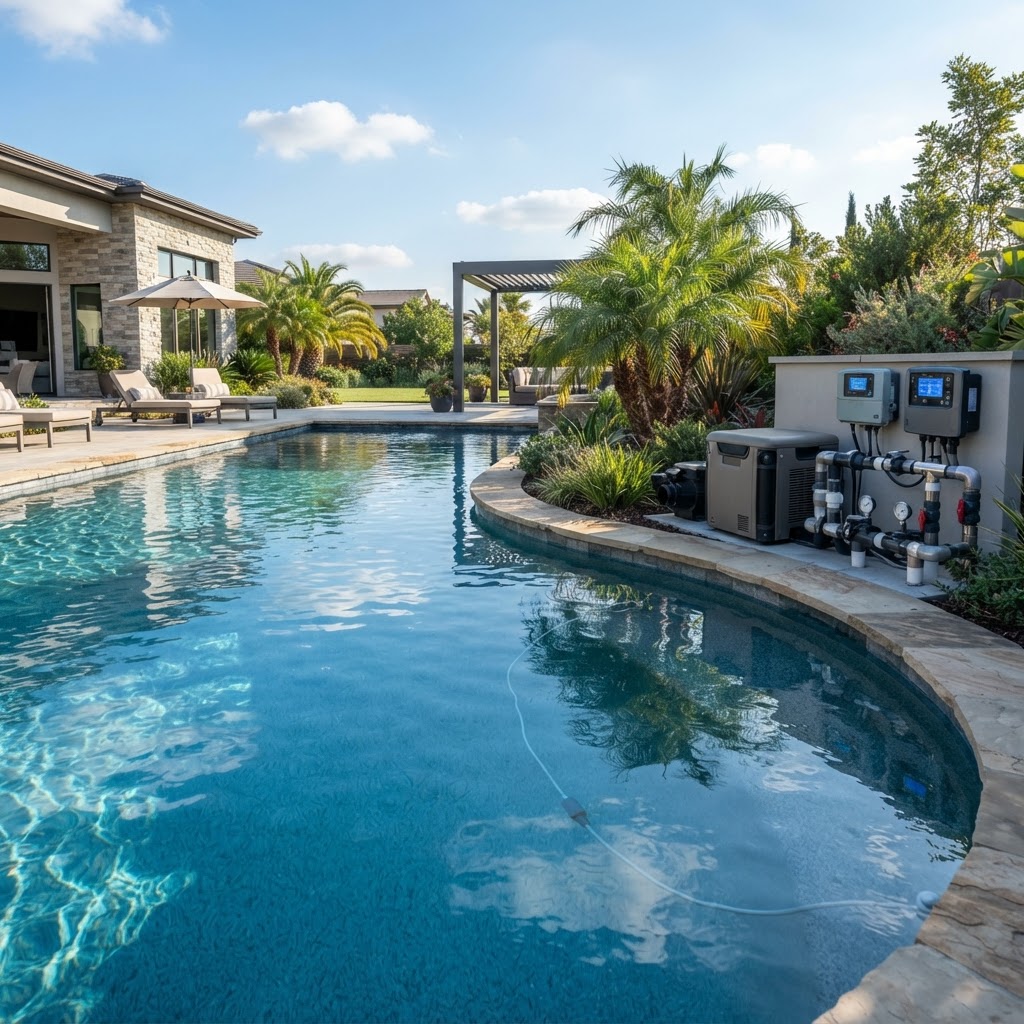
The Strategic Approach to Pool Heating
For many pool owners and industry professionals, the goal is simple: maximize the number of days the pool is enjoyable. However, the intersection of comfort and cost often leads to a common question—when exactly should you start heating your pool to get the best return on your energy investment? Achieving the ideal swim temperature while keeping operating expenses in check requires a blend of planning, smart technology, and understanding your local climate.
Understanding Thermal Loss
Before determining when to turn on the heat, it is vital to understand how heat leaves the water. Pools lose heat primarily through evaporation, convection, and radiation. Evaporation accounts for the vast majority of heat loss, often reaching up to 75% of the total reduction in water temperature.
By managing evaporation, you gain control over your energy costs. Using a solar cover or an automatic pool cover is the single most effective way to minimize heat loss overnight. When you prevent that heat from escaping, your heating system works significantly less to maintain your target temperature the following day.
The Ideal Temperature Window
Most pool users find that 78°F to 82°F is the 'sweet spot' for active swimming. Anything below 75°F feels brisk to the average person, while temperatures above 85°F can actually accelerate chemical consumption and lead to algae growth, which necessitates more frequent maintenance.
Focusing on this narrow range helps you conserve energy. Trying to push a pool to 90°F in early spring or late autumn drastically increases the workload on your heating system, leading to exponential jumps in utility costs. If you are heating for therapy or specific aquatic needs, target the temperature based on use, not on keeping the pool at 'bathwater' levels indefinitely.
Timing Your Heating Schedule
Timing your heating efforts requires shifting from reactive heating to proactive management.
- The 'Shoulder' Season Strategy: In the spring, start heating your pool a few weeks before your anticipated first swim date. Slowly raising the temperature by 2–3 degrees per day is more energy-efficient than trying to jump 10 degrees in a single afternoon.
- Off-Peak Utilization: If your local utility provider offers time-of-use pricing, program your heating system to run during off-peak hours. Modern smart controllers, such as those integrated into the Illuminex ecosystem, allow for precise scheduling that aligns with grid demand and cost savings.
- Weather-Driven Decisions: Don’t fight the elements. On exceptionally windy or cold days, the ambient environment will strip heat away faster than your heater can replenish it. It is often more economical to accept a one-day temperature dip during a cold front than to force the heater to compensate for a temporary weather shift.
The Role of Smart Technology
Efficiency is no longer about just picking a heater; it is about managing the entire pool system intelligently. IlluminexPro solutions focus on connectivity and automation, allowing you to monitor water temperature in real-time from anywhere. By integrating your heater with a smart controller, you eliminate the guesswork.
Instead of coming home to a cold pool and turning the heater on high, you can set temperature thresholds that respond to ambient conditions. If the air temperature is forecast to drop significantly, the system can automatically adjust, ensuring you don't waste energy heating a pool that won't be used, or conversely, ensuring it is ready exactly when you step out onto the deck.
Maintenance as an Efficiency Tool
Your heating system is only as efficient as the maintenance it receives. A heater that is struggling with debris in the heat exchanger or poor water flow will cycle longer and consume more electricity or gas to achieve the same result.
- Clean Filters Regularly: Restrictive flow forces heaters to work harder and longer.
- Balance Water Chemistry: Properly balanced water prevents scale buildup inside the heat exchanger, which acts as an insulator and blocks heat transfer.
- Schedule Annual Tune-ups: An early-season inspection by a professional builder or technician can identify minor issues before they become expensive performance bottlenecks.
Finding the Balance
Ultimately, the 'best' time to heat your pool is whenever it aligns with your lifestyle, provided you have the right infrastructure to protect that heat. By using physical barriers like covers, leveraging smart scheduling through systems like IlluminexPro, and maintaining your equipment, you can extend your season significantly without the burden of excessive utility bills. Focus on gradual temperature adjustments and intelligent, automated control to keep your pool a source of relaxation rather than a budgetary challenge.