SUPPORT
What to Do When Your Pool Pump Starts Making Noise
Rattling, grinding, or whining pump? Here's how to diagnose the cause and what to fix before it leads to motor failure.
Pool Circulation
What to Do When Your Pool Pump Starts Making Noise
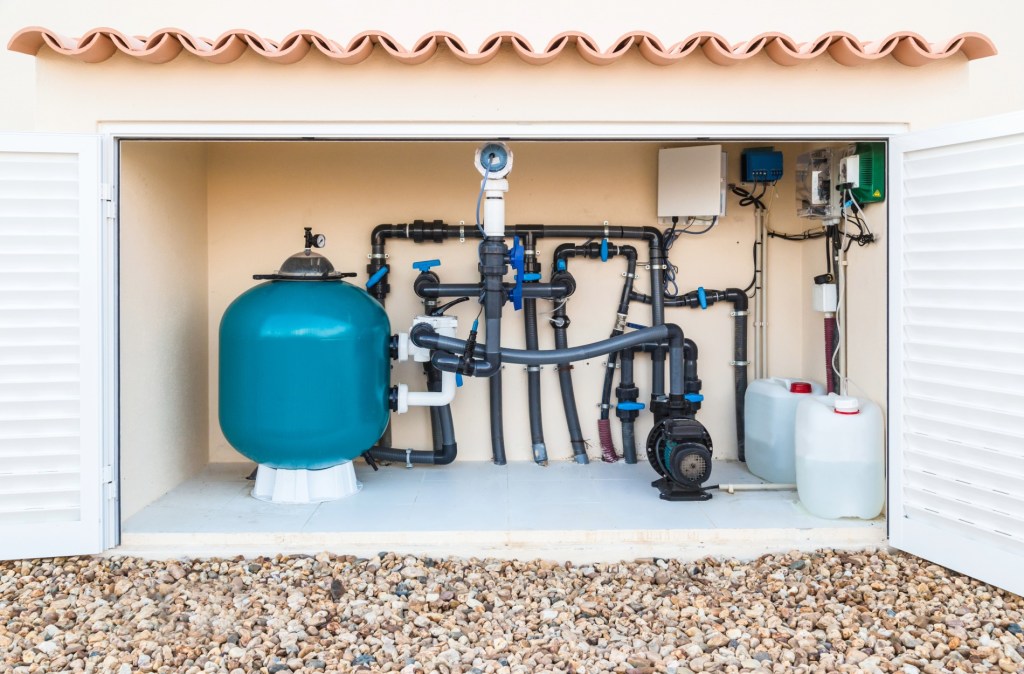
A quiet, steady hum is what you usually expect from your pool pump. So when it starts rattling, grinding, or screeching, it catches you off guard. Ignoring those early signs can lead to bigger problems.
Common Reasons Your Pool Pump Is Making Noise
1. Debris Inside the Pump or Impeller
Leaves, bits of grass, and even small stones can make their way into the pump housing. If they reach the spinning impeller, they can cause rattling or grinding sounds.
2. Loose Bolts or Worn Parts
Over time, vibrations from daily use can loosen connections. Worn motor bearings may also squeal or whine as they fail.
3. Cavitation from Low Water Flow
If your skimmer basket is clogged or your pool water level is too low, air can get into the line. That disrupts water flow and creates a popping or gurgling sound.
4. Motor or Electrical Issues
A failing capacitor or overheating motor might buzz loudly. These can also be safety hazards if ignored.
Steps to Troubleshoot a Noisy Pool Pump
1. Inspect for Debris
- Turn off the pump and disconnect the power
- Remove the pump lid and check the basket and impeller for leaves, twigs, or buildup
- Use a hose to gently clear out any stuck debris
2. Tighten Loose Parts
- Look over the bolts on the pump housing and motor base
- Tighten anything that feels loose by hand or with a wrench
- Shake the motor gently to see if it wobbles
3. Check the Bearings
- Listen closely to the motor when it runs
- A high-pitched squeal usually means the bearings are worn down
- If the noise gets louder over time, those parts likely need to be replaced
Preventive Maintenance Tips
- Keep your pool filter clean
- Keep water levels in the pool steady to avoid sucking air into the system
- Routinely check skimmer and pump baskets for leaves
- Inspect the pump lid and O-ring for cracks
- Listen for changes in the sound your pump usually makes
- Use quality parts that match the specs of your pool system
When Your Pump Sounds Right, Everything Feels Better
The sound of your pool pump tells you something. If it's loud, that story might include clogged filters, loose bolts, or worn-down bearings. Taking action early can help you avoid major pool headaches later on.