SUPPORT
A Homeowner-Friendly Guide to Pool Filter Pressure, Flow, and Cleaning Schedules
This guide covers the essentials of pool filter pressure, flow rates, and maintenance schedules to keep your pool clean and inviting.
Filtration
A Homeowner-Friendly Guide to Pool Filter Pressure, Flow, and Cleaning Schedules
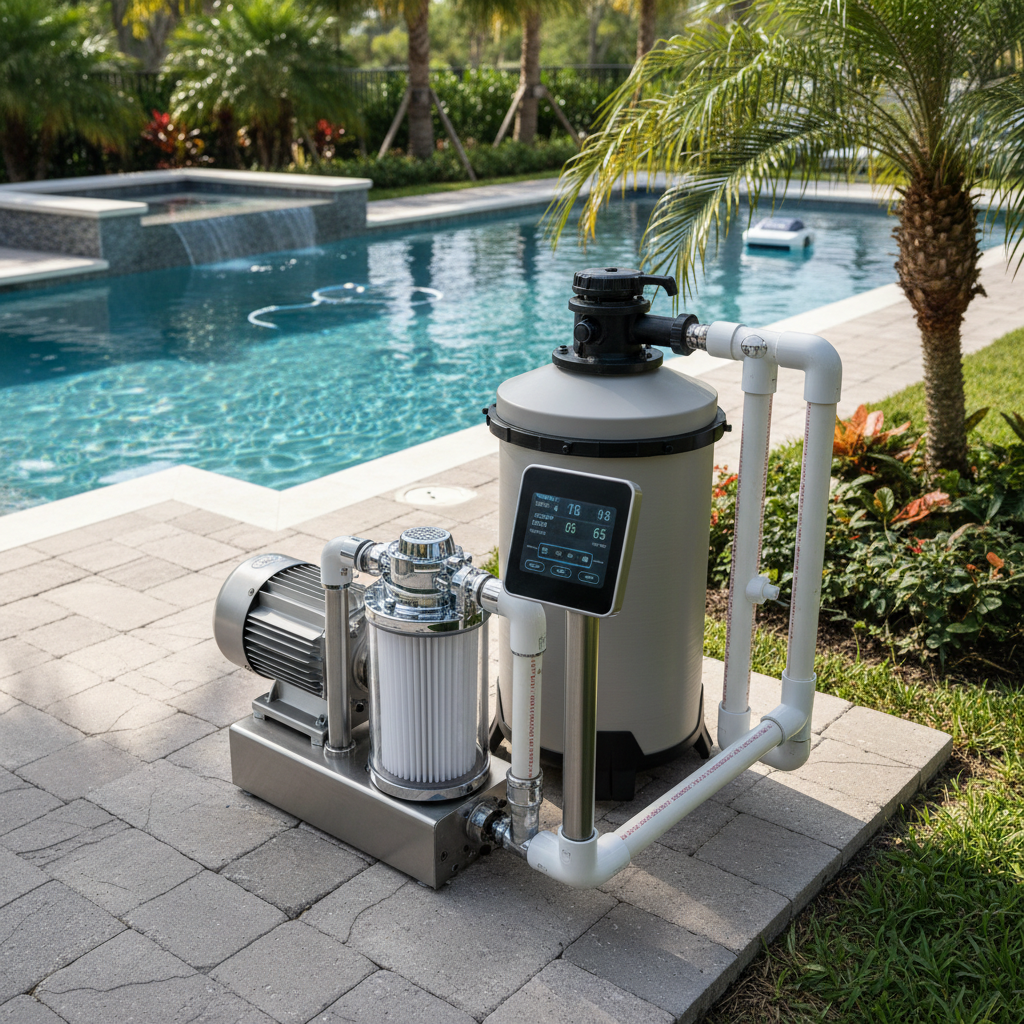
Understanding Pool Filter Pressure
Pool filter pressure is a vital indicator of your filtration system’s health. It reveals how effectively your filter is removing debris from the water. Each filter has a specific pressure range that indicates optimal functioning. Here’s how to monitor it:
- Gauge Checking: Regularly check the pressure gauge on your filter.
- Normal Range: Most filters operate best between 10-20 psi.
- Low Pressure: If pressure drops too low, it might indicate a blockage or a malfunction.
- High Pressure: Increased pressure often signals that it’s time to clean or backwash your filter.
Flow Rate Basics
Flow rate complements filter pressure; it measures how much water circulates through your pool system in a given time (typically expressed in gallons per minute, or GPM).
- Importance: A good flow rate ensures that your pool water remains clean and properly filtered.
- Ideal Flow: Research your specific filter type for recommended flow rates.
- Maintenance Tips: If you notice a drop in flow rate, check for clogs in your skimmer or pump.
The Connection Between Pressure and Flow
Understanding how pressure and flow work together is crucial in maintaining your pool’s health:
- Visual Indication: When pressure rises but flow decreases, that’s a sign of blockage.
- Balancing Act: Adjusting your filter settings can help mitigate issues if you notice a significant discrepancy between flow rate and pressure.
- Monitoring Changes: Regular checks can help catch problems early, helping to avoid costly repairs.
Regular Cleaning Schedules
Keeping your filter clean fosters efficiency and prolongs the lifespan of your equipment. Different types of filters have varying maintenance needs:
Sand Filters
- Backwashing Frequency: Backwash when pressure rises by 8-10 psi above normal.
- Annual Maintenance: Replace the sand as needed (usually every 5-7 years).
Cartridge Filters
- Cleaning Frequency: Clean cartridges every 3-6 months, or when pressure rises significantly.
- Replacement: Change cartridges every 1-2 years, depending on usage.
DE Filters
- Backwashing Needs: Similar to sand filters, backwash when pressure rises significantly.
- DE Replacement: Each time you backwash, you need to replace the DE powder.
Creating a Cleaning Routine
Setting up a regular maintenance routine can simplify pool care:
- Weekly: Check the water chemistry, clear debris, and test the filter pressure.
- Monthly: Deep-clean the skimmer, pump basket, and inspect all components.
- Seasonal: Perform a complete system check before opening and closing the pool. Replace any worn-out parts and clean filters.
Illuminex Products for Enhanced Maintenance
Illuminex offers a range of smart pool equipment that helps streamline maintenance and ensure your pool remains in optimal condition:
- Smart Pool Monitors: Track filter performance and receive alerts about pressure changes directly to your smartphone.
- Automatic Cleaning Systems: Consider investing in robotic pool cleaners that accompany your filtration system for cleaner water.
Final Thoughts
Maintaining your pool's filter pressure and flow rate is essential for providing a clean and safe swimming environment. Regularly scheduled cleaning and monitoring ensure that your system runs smoothly, reducing costs and repair time in the long run. By understanding these critical aspects of your pool filtration system, you can enjoy a refreshing swimming experience all season long.